Celebrating teaching since 1973 #lessonsforlife across NZ

A water safety checklist for kids before summer

Your child loves the water. They might be the first into the pool and the last one you can persuade to get out. But knowing how much they enjoy swimming and knowing what they can manage in the water are two different things. With beach days, pool visits and weekends away coming up, it is worth taking a moment to think about their skills, and the support they still need. This water safety checklist for kids is a starting point for that conversation. Whether your child has weekly lessons, is finding their confidence or has yet to start, it can help you work out what to discuss with your swim school and what to keep in mind this summer. It is not a test or a way to decide that a child is safe in the water.

Supervision comes first

Whatever your child can do, swimming skills never replace active adult supervision. Keep young children and children who cannot swim within arm’s reach, with your full attention on them. At the beach, stay with your child in the water and swim between the flags at a patrolled beach. When several adults are around, agree who is watching the children and hand that responsibility over clearly. It is easy for everyone to assume someone else is keeping an eye on things.

Your water safety checklist for kids

Think about what you have already seen in lessons or while swimming together. For each question, consider whether your answer is yes, not yet or not sure. There is no need to ask your child to demonstrate anything new. Start with the questions that fit their experience. These are skills to discuss, not milestones every child should reach by a particular birthday.

For children getting comfortable in the water

    • Are they comfortable being in the water with you supporting them?
    • Are they becoming more comfortable with water on their face?
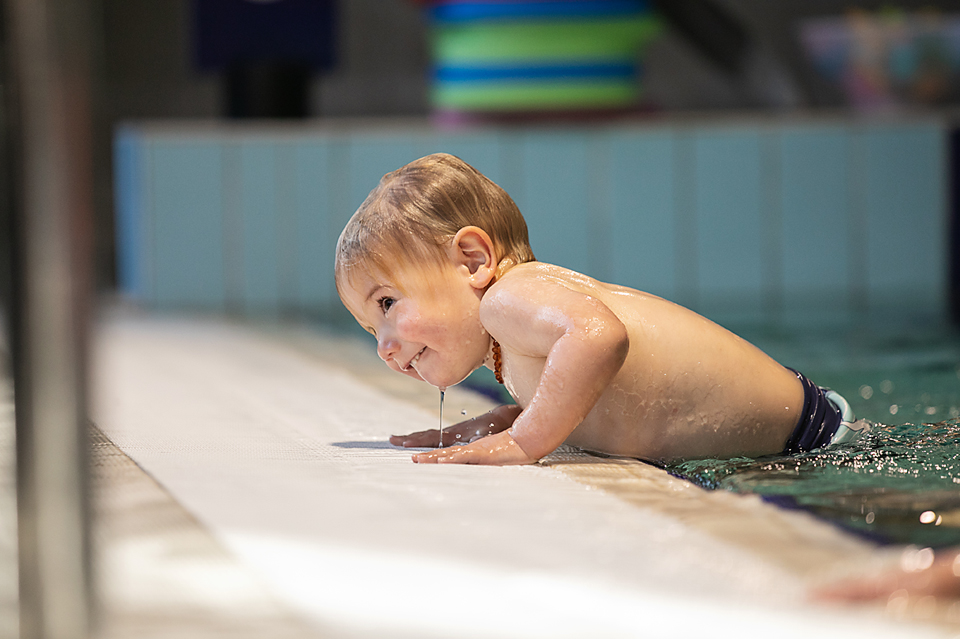
    • Are they learning to hold the pool edge with your help?
    • For children old enough to understand, are they learning to wait for an adult before getting in?
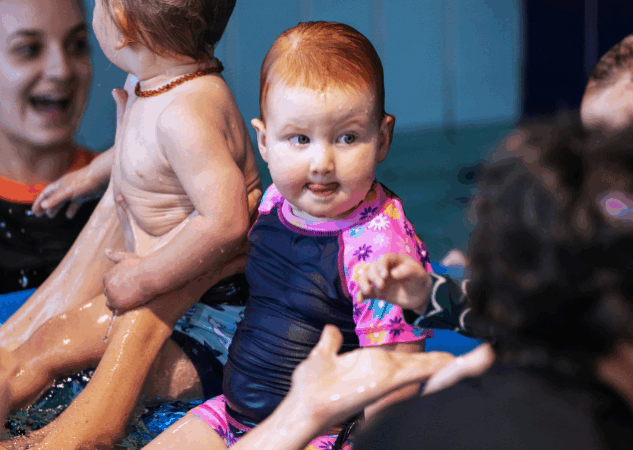
For babies and young children, these are early experiences you share together. Enjoying them does not mean a child can keep themselves safe. If you are considering first lessons, read when your child can start swimming lessons for more about getting started at different ages.

For children developing independent swimming skills

    • Can they float on their back, and do you know how much help they need?
    • Have they practised turning and returning to the pool edge with their teacher?
    • Can they get out of the pool, and where do they need help?
    • Can they swim a familiar distance comfortably, rather than only just reaching the end?
    • Have they been taught what to do if they become tired or find themselves out of their depth?

For children building their skills further

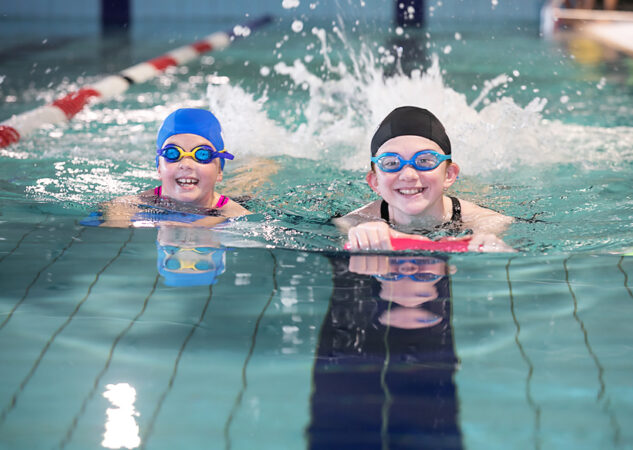
    • Can they float and tread water, as well as swim?
    • Do they know how to call or signal for help?
    • Do they understand why being able to swim in a pool does not mean they can manage the same distance in the sea or a lake?
    • Will they check with you before entering the water, even when their friends are already in?
Not sure about some of the answers

That is a useful place to start. It can be hard to tell from the poolside exactly how much help your child needs, or which skills they can use consistently. If your child swims with us, speak with a Supervisor or our Front of House team about what they can manage independently, what they are still practising and what comes next. They are your point of contact for these conversations, while our teachers focus on the children in their lessons. If your child has not started lessons yet, a not yet is a good place to begin. Babies from three months old learn with a parent or caregiver in the water in our infant swimming lessons. Independent classes start from age three in our preschool swimming lessons, with no more than four children per teacher, and school-age beginners are welcome in our school age swimming lessons. Our indoor pools are heated to 32°C and lessons run all year, so you can start mid-term. Book a free trial lesson to see where your child is at. Free trials are for new families, or families who have not swum with us for a year or more. There is no score to add up. A yes to every question does not remove the need for supervision, and a not yet gives you something useful to discuss. Children arrive at lessons with different experiences and develop at different rates. If progress feels slower than you expected, our article on why your child’s swimming progress can feel slow explains why practising a familiar skill is still valuable learning.

Why the beach is different from lessons in the pool

A familiar pool gives children a place to practise with a teacher close by. At the beach, waves can knock them off balance, the depth can change and currents can move them away from where they started. Lakes and rivers bring their own changing depths and conditions. Colder water can also affect how they respond. Pool skills are valuable, but they do not tell the whole story. Check the conditions, choose a suitable place and stay close. If you are unsure whether the water is suitable, stay out. At a patrolled beach, ask the lifeguards for advice.

Our November Water Safety Week

Every year in the lead-up to summer, we set aside a week at Hilton Brown Swimming to focus on water safety. This year, Water Safety Week runs from Monday 9 to Sunday 15 November. During that week, we step away from our usual lessons for more focus on water safety skills, activities and chats suited to each class. It gives swimmers time to practise and talk about what staying safer around water means for them. If your child swims with us, ask them what they have been working on that week. A simple “What did you learn about staying safe in the water?” can get the conversation going. Our Supervisors and Front of House team can also talk you through the activities and their purpose, especially if your child is too young to explain. If your child learns elsewhere, ask their swim school how water safety fits into their programme. It is a useful conversation for every family.

A few questions parents often ask

My child is confident in the water, so why do they need these skills?

Confidence helps children enjoy learning, but it does not show you whether they can float, recover their breathing or get back to an exit. Understanding what they can actually do helps you support them appropriately.

Can armbands take the place of staying close?

No. Armbands and inflatable toys are not safety equipment and should never replace supervision. For boating and kayaking, use a properly fitted lifejacket and continue supervising your child closely.

How can we support learning between lessons?

Keep supervised time in the water relaxed and enjoyable. Our Supervisors can help with advice on practising familiar skills and supporting your child between lessons. You do not need to turn every swim into a lesson.

A helpful next step before summer

If your child already swims with us, start with a conversation with a Supervisor or our Front of House team. Knowing what your child is working on makes it easier to understand how each lesson is helping. If you are looking into lessons, find your nearest Hilton Brown Swimming facility to talk through the options, or book a free trial lesson to get started. Free trials are for new families, or families who have not swum with us for a year or more. Our team can help you find a suitable class and explain what comes next.