

In freestyle, one of the biggest contributors to good technique is body position, particularly what happens when a swimmer breathes.
At Hilton Brown Swimming, we focus on correct technique not to rush swimmers through distances, but to help them become efficient, confident, and safe swimmers for life.
Body Position: The Foundation of Freestyle
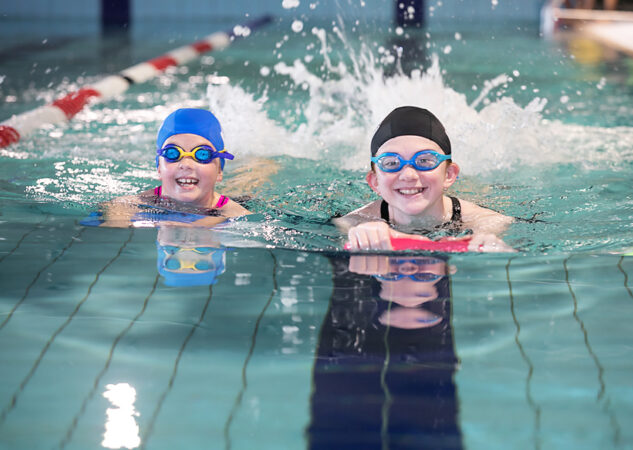
Good freestyle starts with a long, streamlined body position. Ideally, the body sits high in the water, with the head, hips, and heels close to the surface. When this alignment is right, swimmers move through the water with less resistance. At Hilton Brown Swimming, we often talk about Hands, Head, Hips and Heels being on top of the water. When these four points are working together, the body stays balanced and streamlined.
A strong body position helps swimmers to:
- Move through the water more smoothly
- Maintain better balance and control
- Feel less tired during swimming
- Swim further without working harder
Even small changes in body position — especially head position — can have a big impact on how easily a swimmer moves through the water.
Head Position: Setting the Body Up for Success
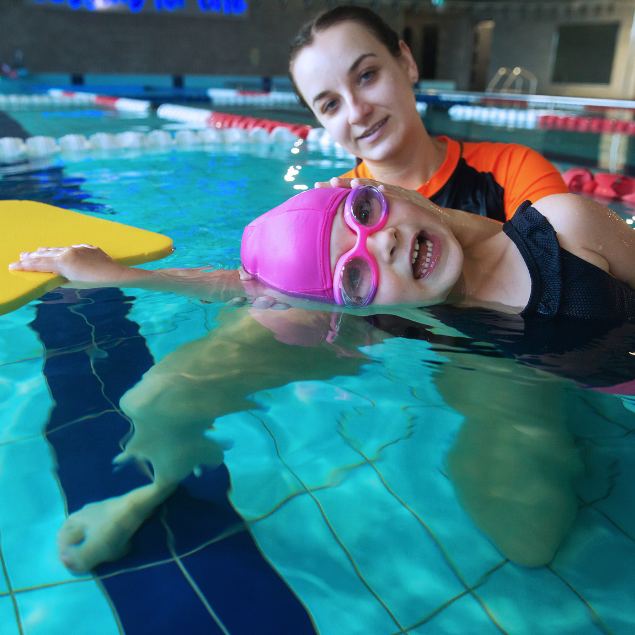
The head plays a crucial role in body position. In our earlier Beginner and Breather classes, you will often hear our instructors say “chin on chest.” This simple phrase helps swimmers to keep their head low and neutral, which supports a flatter, more balanced body position. You’ll often hear this repeated on poolside, as consistency helps swimmers build strong habits over time. When the head lifts or tilts back, the hips and heels naturally drop. This creates more resistance in the water and makes swimming much harder than it needs to be!
Breathing Position: Where Technique Often Breaks Down
Breathing is one of the most common points where freestyle technique can begin to unravel. When breathing, the head should stay low and flat, rotating naturally with the body rather than lifting. The aim is for one goggle to remain partly in the water, with the mouth just clearing the surface to take a breath. And your head should always be in front of your arm. Not on top! This breathing position helps swimmers to stay balanced and continue moving forward smoothly.
What Happens When the Head Lifts to Breathe?
If a swimmer lifts rather than turns their head to breathe:
- The hips and heels drop
- The body becomes less streamlined
- Drag increases significantly
- Swimming becomes much more tiring
The result is that a swimmer uses more energy, and moves less efficiently.
Why Efficiency Matters — Especially for Safety
Good technique isn’t about being perfect. It’s about swimming in a way that uses less effort.
When swimmers are efficient:
- They tire less quickly
- They can swim further with the same energy
- They stay calmer and more controlled
This becomes especially important if a swimmer ever gets into difficulty. A swimmer with good freestyle technique and an efficient breathing position is far better equipped to conserve energy and swim to safety. In challenging situations, efficiency can make a critical difference.
Building Strong Technique for Life
At Hilton Brown Swimming, we focus on teaching correct freestyle technique from the very beginning. Freestyle isn’t just about how far a swimmer can go. It’s about control, efficiency, and confidence in the water. Our focus on technique means swimmers aren’t just learning to swim — they’re learning skills that will support them for life.
If you’d like to learn more about how we teach freestyle technique, or see how your child is progressing, speak to our team or check progress through the Customer Portal.