Celebrating 50 years of teaching #lessonsforlife across NZ

From the pool deck

Expert swim tips, water safety advice, and family-focused insights from New Zealand’s most trusted swim school.

Planning Term 1? Keep swimming on the list.

Mid-January is when many families start planning the year ahead.
A summer of swimming often highlights the difference between being happy in the water and having strong swimming skills.
Consistency is what helps children move from one to the other.

 

Why repetition is key

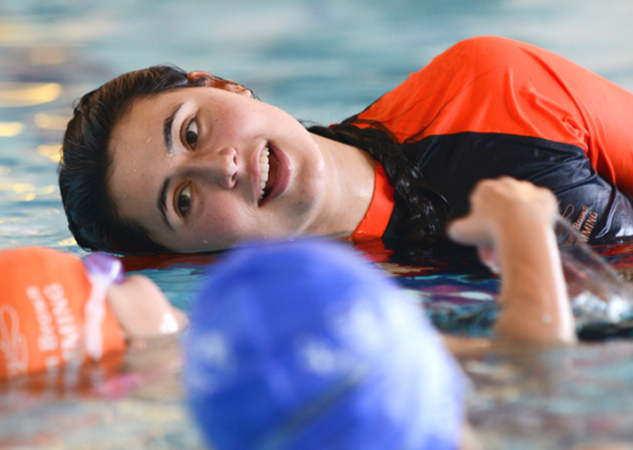
You bring your little one to their swimming lesson week after week, and it looks like they are repeating the same things over and over again and don’t always seem to be learning anything. You may sometimes feel a little frustrated and think that they aren’t progressing as fast as you imagined.

But what is really happening is that they are learning the building blocks of swimming and increasing their strength, skills and stamina, little by little.

4 Things children should know how to do in the water

Taking the children to the beach or pool? Fun! Letting the little ones splash and play is a great way to spend some family time together, for sure. But as they grow up, it’s important that children learn a few things in the water, as well.

Here are the 4 things all children should know how to do in the water.

Good things take time!

We are often asked, “how long will it take for my child to learn to swim?” The answer to this is difficult for two reasons. Firstly, there is no magic number of lessons as each child is different and progresses at their own rate. Then there is the challenge of attempting to define what makes a strong swimmer.

Water safety tips

Summer is approaching, the weather is warming up and lots of activities are starting to be planned in and around the water.

Screen time or green time?

Our children these days are bombarded by screens all day and tend to spend lots of time in front of one type of or another whether they’re watching TV, playing games or doing homework. What this means is that unfortunately, they are often not getting as much exercise or interacting and connecting face-to-face with others.